
The Dryferm Bag prevents mold growth
Independent microbial challenge test confirms:
An independent laboratory test under real and challenging conditions has clearly shown:
The Dryferm Bag effectively protects against microbial contamination – including mold, yeast and harmful bacteria.
PDF with results
The results in comparison
The tests were conducted under particularly demanding conditions: plants grown in active "Living Soil" were dried in an unheated basement – an ideal environment for mold growth. The analysis was performed by the accredited laboratory Altus Biolabs GmbH in Vienna.
Conclusion:
The Dryferm Bag not only significantly reduces germ counts, but also falls below the limits set by medical standards. It creates an environment where mold and other microorganisms have no chance – all without any additional technology.
You can find the full test video on the Garten Eden YouTube channel.
LAB REPORTS
Test report from July 22, 2024 and August 3, 2024, as well as from May 2, 2024 to September 11, 2024
PDF with results


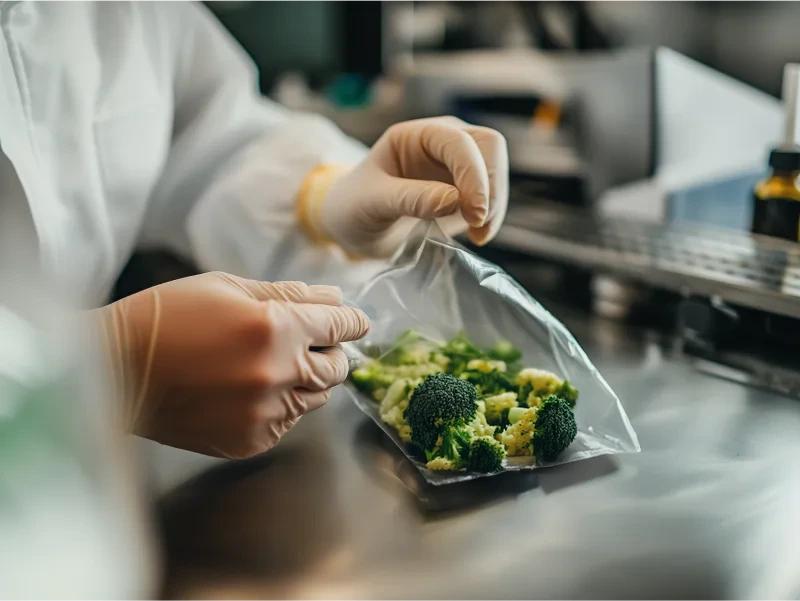
The aim of the test report
The test was designed to verify the effectiveness of Dryferm Bags in drying and curing flowers. The aim was to demonstrate the advantages of the bags compared to traditional air drying and to determine whether there were any qualitative differences in flower structure and the content of ingredients such as terpenes and other valuable components.
Test procedure
The test process began on April 21, 2024, with the planting of three "Lava Cake" seeds and two "Royal Dwarf" seeds for weight control. The "Lava Cake" flowers were harvested on July 22, 2024. The flowers were first wet-trimmed using a VEVOR 19" harvester.
The tested varieties
Control and testing procedures


Analysis in the laboratory
After drying on August 7, 2024, the dried flowers were ground and sent to the IFHA chemical laboratory in Vienna for analysis. The aim of the study was to determine the composition of the flowers more precisely and to compare the drying methods. The focus was on the content of terpenes and other important constituents.
Twelve relevant terpenes were analyzed to evaluate the aromatic properties of the flowers. Terpenes play a central role in the taste and smell profile as well as the qualitative assessment of the flowers .
In addition, natural aromas and other valuable active ingredients that contribute significantly to the overall quality of the blossoms were examined. The analysis made it possible to precisely document the differences between the two drying methods.


Conclusion
Laboratory tests show that Dryferm Bags promote a higher concentration of terpenes and valuable ingredients, which intensifies the aroma and increases the quality of the flowers.
In comparison to traditional air drying, they also offer reliable protection against mold and pests, while the controlled environment allows for even ripening.
By reducing degradation products and achieving more efficient drying overall, Dryferm Bags are a first-class solution for growers and producers who value quality and safety.

Discover Dryferm, the revolutionary drying bag—for maximum preservation of active ingredients, minimal odor, and efficient drying.
Discover Dryferm, the revolutionary drying bag—for maximum preservation of active ingredients, minimal odor, and efficient drying.